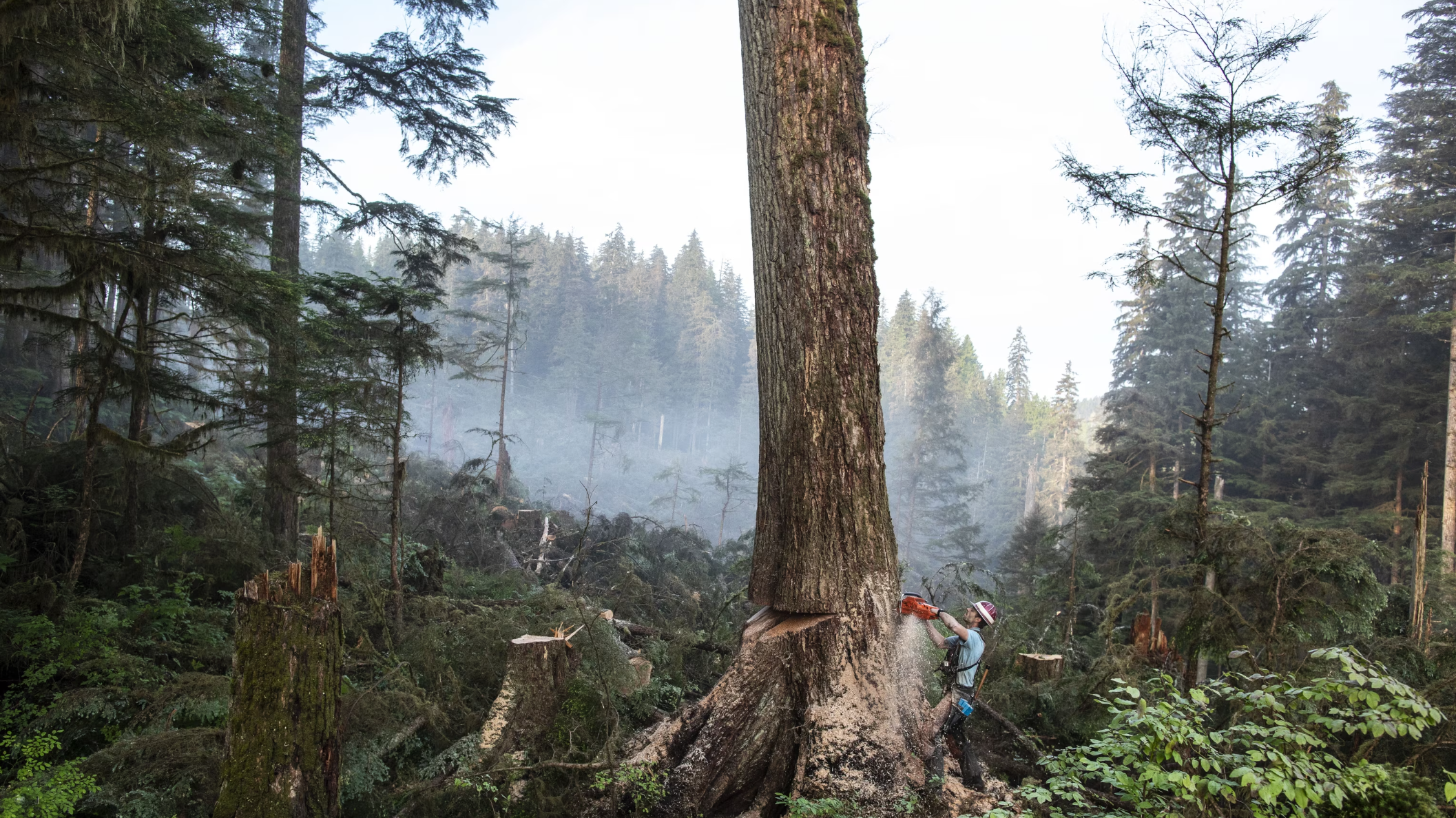
Deforestation is impacting our nature and health.
Forests are getting destroyed by the second. The earth's forest percentage has dropped by nearly 20% from its original state. They are home to the world's most diverse life on land and are essential for our human health, and we are chopping them down every day.
Deforestation doesn't just affect animals and their habitats, but it also affects our health as humans. We cut down trees for one of our most-used preservatives (palm oil), and it's not even providing anything for our health. We also cut down forests for pig farms. Pig farms house pigs in small enclosures, holding hundreds of them. The pig farms have to dispose of the waste somehow, and the way they do it affects humans living near the pig farm. They spray the waste into large lagoons outside, with all of the toxins floating in the air.
Deforestation is a big concern in the Amazon rainforest, seeing that about 17% of the rainforest has been destroyed in the past 50 years due to using up land for cattle ranches that are just releasing tons and tons of methane into the atmosphere. The Amazon rainforest is home to some of the world's most diverse species on land, creating a beautiful ecosystem and habitat. But due to deforestation in the area, the ecosystem is slowly losing three of its keystone species, including the jaguar, South American tapir, and the Amazon pink river dolphin. All of these species provide different aspects for the habitat and the food web. Each and every species would be affected by this impact, and it would be a major loss for the ecosystem to lose these species. It would take years to adapt.
In other ecosystems, deforestation is happening in places most people don't even know about! It happens below everything, down in the ocean, all across the world in kelp forests. Kelp forests provide vital habitat, food, and environmental protection to the entire ecosystem around them. Inside the kelp forests live many animals, such as the sea otter. Sea otters are one of the most important keystone species of all time. They keep the whole kelp forest thriving and together. Sea otters prey on sea urchins, which eat the kelp. So now you see, if the sea otters were to decline in population, the entire kelp forest would slowly but surely disappear. This is exactly what happened in 1972 and 1984 due to the human impact of warming water.
As you can tell by now, humans have a big impact on deforestation and the decline of forests. The main reasons we destroy these forests are for our own benefits and not for the ecosystems. We chop down tropical forests for this "precious" oil, palm oil. It is in almost every preservative and even non-food items such as dish soap and laundry detergent. Since we discovered palm oil, jungles across the globe have decreased by 5.86 million hectares, and palm oil production is one of the main causes of deforestation and the destruction of these ecosystems.
We as humans impact the world so much, and usually in terrible ways. Just think of this: we take homes from animals, we call oceans shark-infested waters when it's us just invading their homes, and we cut down trees for roads we drive on. We truly just think everything we touch is ours to claim, and it's not. It was first the animals' home, and that's how it should be. Now, next time you eat your Nutella sandwich, just think of the trees getting cut down for that one sandwich.
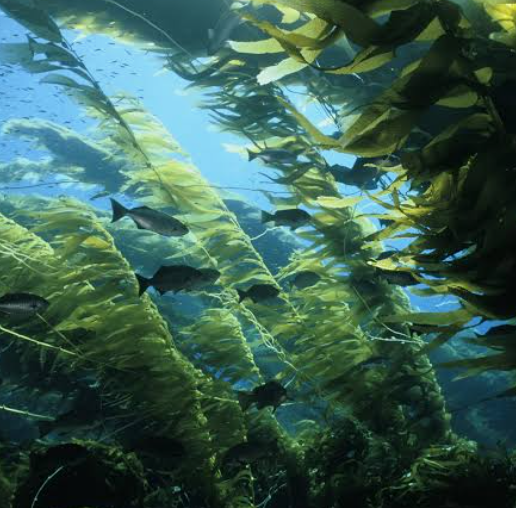
Why does kelp matter in ecosystems?
Kelp provides protected and covered habitat for species in the ecosystem. Kelp forests are foundational base for costal food webs and are a statement in marine ecosystems.
If kelp forests began to disappear, the whole costal food web would begin to drift away and slowly die. One of the reasons kelp deforestation is currently happening is because otters are slowly going endangered. Otters are keystone species for this habitat providing healthy kelp.
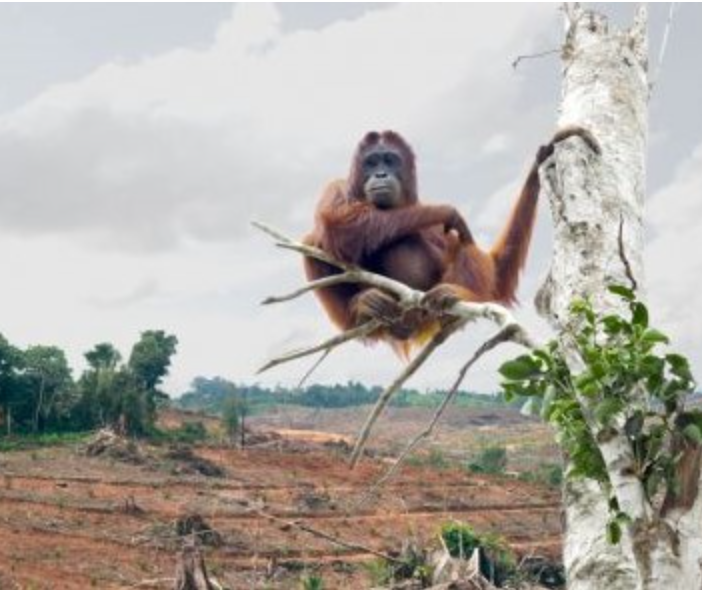
Palm Oil
palm oil comes from the tree’s we cut down contributing to over 7% of deforestation. this might not seem like a lot but that is over 31,073 hectares of cut down trees that orangatans breciate through. palm oil farming is the number one reason that orangatans are severly endagered. they are to near extinction. orangatens barely have any of their habitat and food to survive a healthy life.